How to Compare Crawlspace Encapsulation Estimates in Memphis
Two companies inspect the same crawlspace. Both recommend encapsulation. Their prices are thousands of dollars apart.
Which estimate makes more sense?
Start with what each company plans to install. “Crawlspace encapsulation” can describe different combinations of preparation, vapor barriers, drainage and humidity-control equipment. The totals only become useful comparisons once you understand the work behind them.
Here’s what to look for when comparing proposals for your Memphis or North Mississippi home.
1. Ask What Problem the Installation Is Designed to Solve
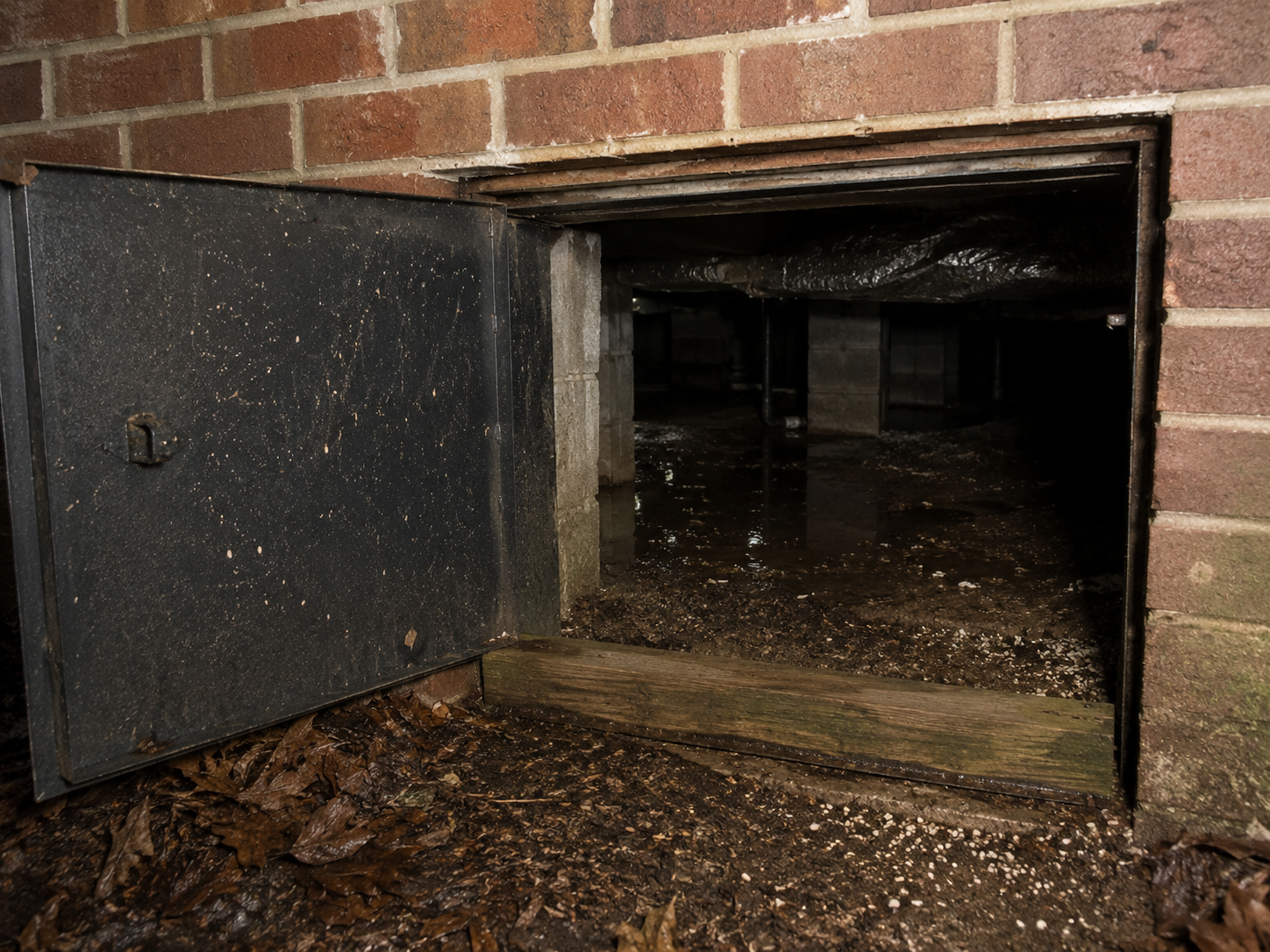
The contractor should explain what they found beneath your home and why they recommend each part of the project.
Ask:
Is there standing water or evidence of water entering?
Is moisture coming through exposed soil?
How will humidity be managed?
Are exterior drainage conditions contributing to the problem?
Is there damaged material that needs separate attention?
You should be able to connect each recommended item to a finding from the evaluation. If the proposal includes a sump pump, dehumidifier or additional drainage, ask what makes that equipment necessary for your property.
2. Compare Vapor-Barrier Specifications and Coverage
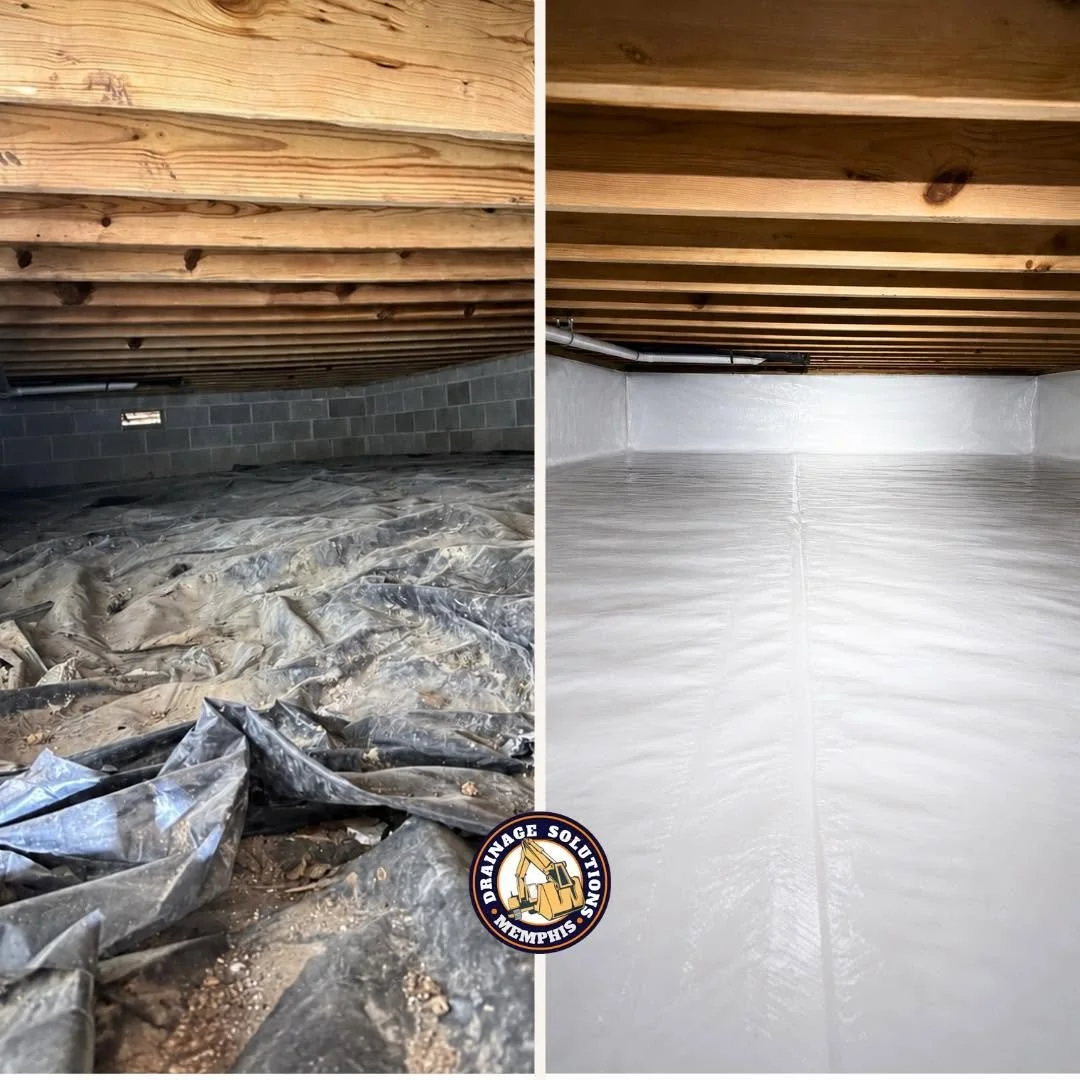
An estimate that simply says “install vapor barrier” leaves important questions unanswered.
Look for the material thickness, whether it is reinforced, and where it will be installed. Confirm whether the proposal covers the floor, foundation walls and support piers.
Then ask how seams, edges and penetrations will be sealed and how the liner will be secured.
Thickness is one part of the comparison. Preparation, coverage and installation details matter too. Two proposals using different materials may also include very different amounts of work.
3. Find Out What Preparation Is Included
Before comparing installation prices, compare the condition each contractor expects to start with.
Does the quote include removing old plastic? Debris? Wet or damaged insulation? Who handles disposal?
If those items are not listed, ask whether they are included, excluded or subject to an additional charge.
The same applies to suspected mold and damaged wood. Find out whether assessment or treatment is part of the proposal, requires separate pricing or needs another qualified professional.
Getting those answers before work starts makes the estimate more useful.
4. Separate Water Removal From Encapsulation
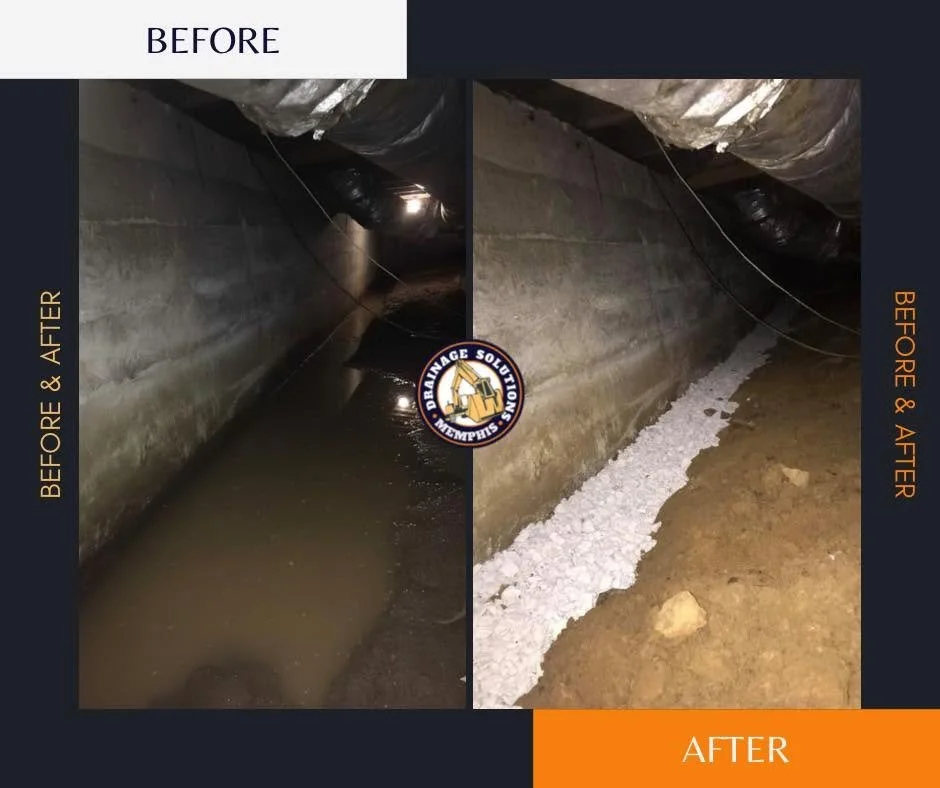
A sealed liner and a drainage system serve different purposes. If standing water is present, the proposal should explain how that water will be collected and removed.
When drainage or a sump pump is recommended, ask:
Where will the drainage be installed?
What pump and basin are included?
Where will the discharge go?
Is an alarm or backup system included?
What electrical work is required, and who handles it?
Some properties also need exterior runoff or downspout corrections. Ask whether that work is included in the total or priced separately.
Do not assume two “complete encapsulation” quotes contain the same water-management work.
5. Check the Dehumidifier Details
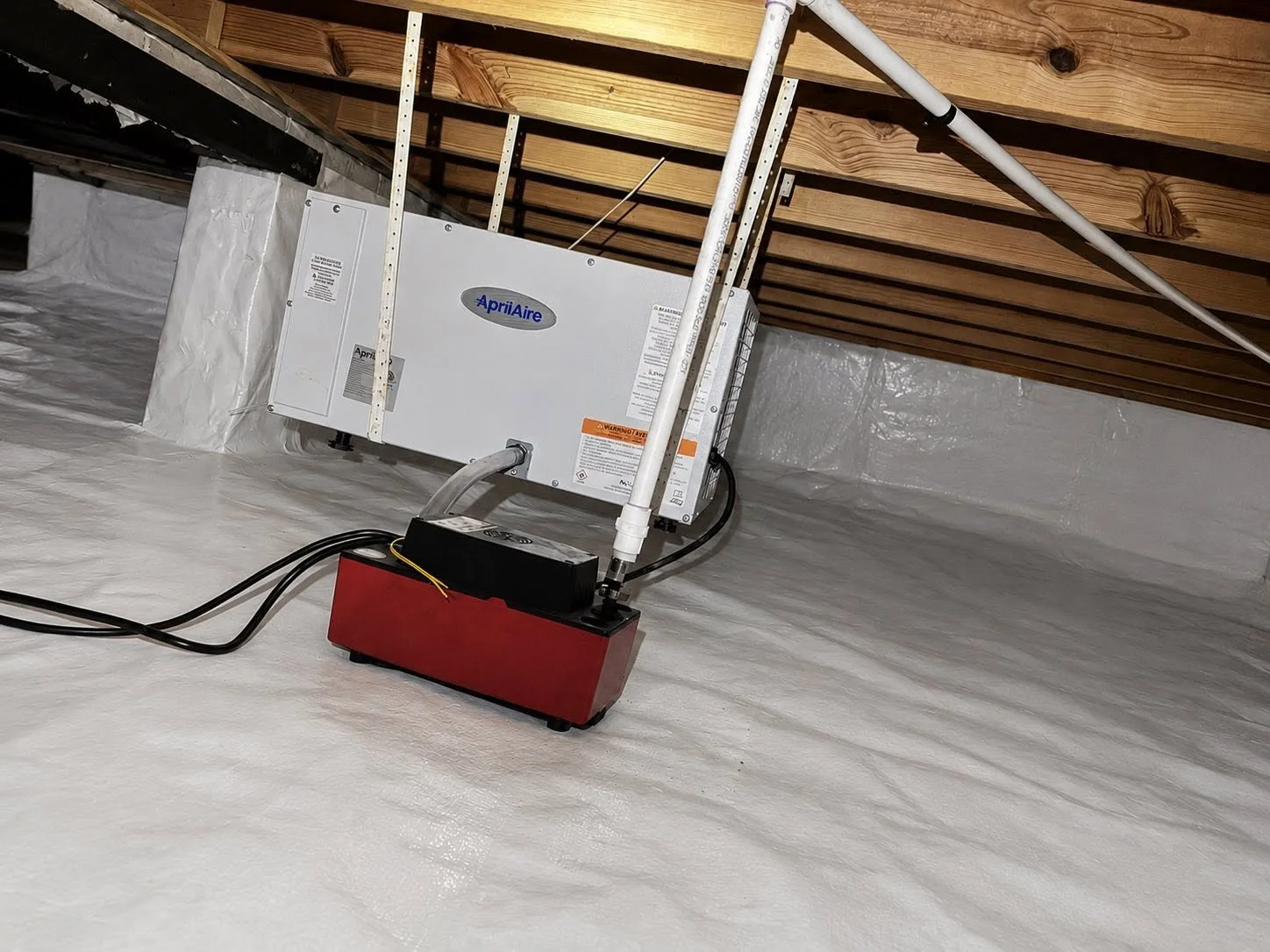
If the estimate includes a dehumidifier, it should identify the equipment—not just say “humidity control.”
Ask for the model, why it was selected for your crawlspace and how collected water will drain. Confirm whether installation includes the necessary electrical work or whether you need to arrange that separately.
You should also understand how to access the equipment, what maintenance it needs and who to contact if it stops working.
6. Compare Access, Vents and Finishing Work
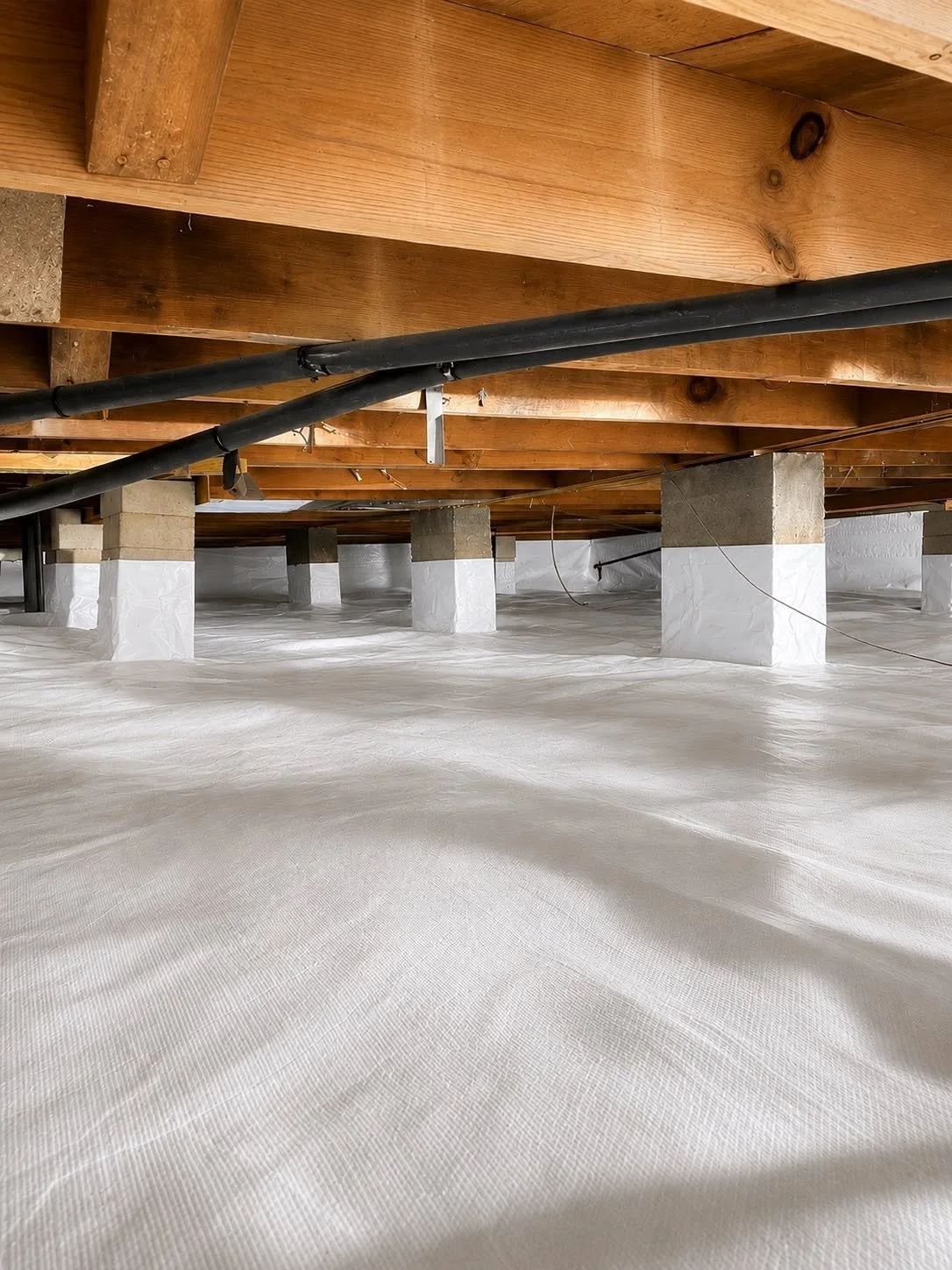
Small line items can explain part of a price difference.
One proposal may include vent sealing or a replacement access door while another leaves those items out. One may include more cleanup or exterior restoration after drainage work.
Ask what will be different when the contractor leaves:
Will the access door be repaired, sealed or replaced?
Which openings will be sealed?
Will removed materials and debris be hauled away?
Will disturbed outdoor areas be restored?
Will you receive installation photos and an equipment walkthrough?
Have the agreed work added to the written scope.
7. Read the Warranty Alongside the Price
A warranty headline is only the starting point. Read what the coverage actually applies to.
Ask the contractor to distinguish between material warranties, equipment warranties and installation coverage. Confirm the duration, exclusions and any maintenance requirements.
Useful questions include:
Does coverage include labor?
Who handles a claim?
Are service visits chargeable?
Is an annual maintenance plan optional or required for any coverage?
What happens to the warranty if the home is sold?
Keep a copy of the written terms with your proposal. A maintenance plan and a warranty are not automatically the same thing.
8. Ask Who Will Be Doing the Work
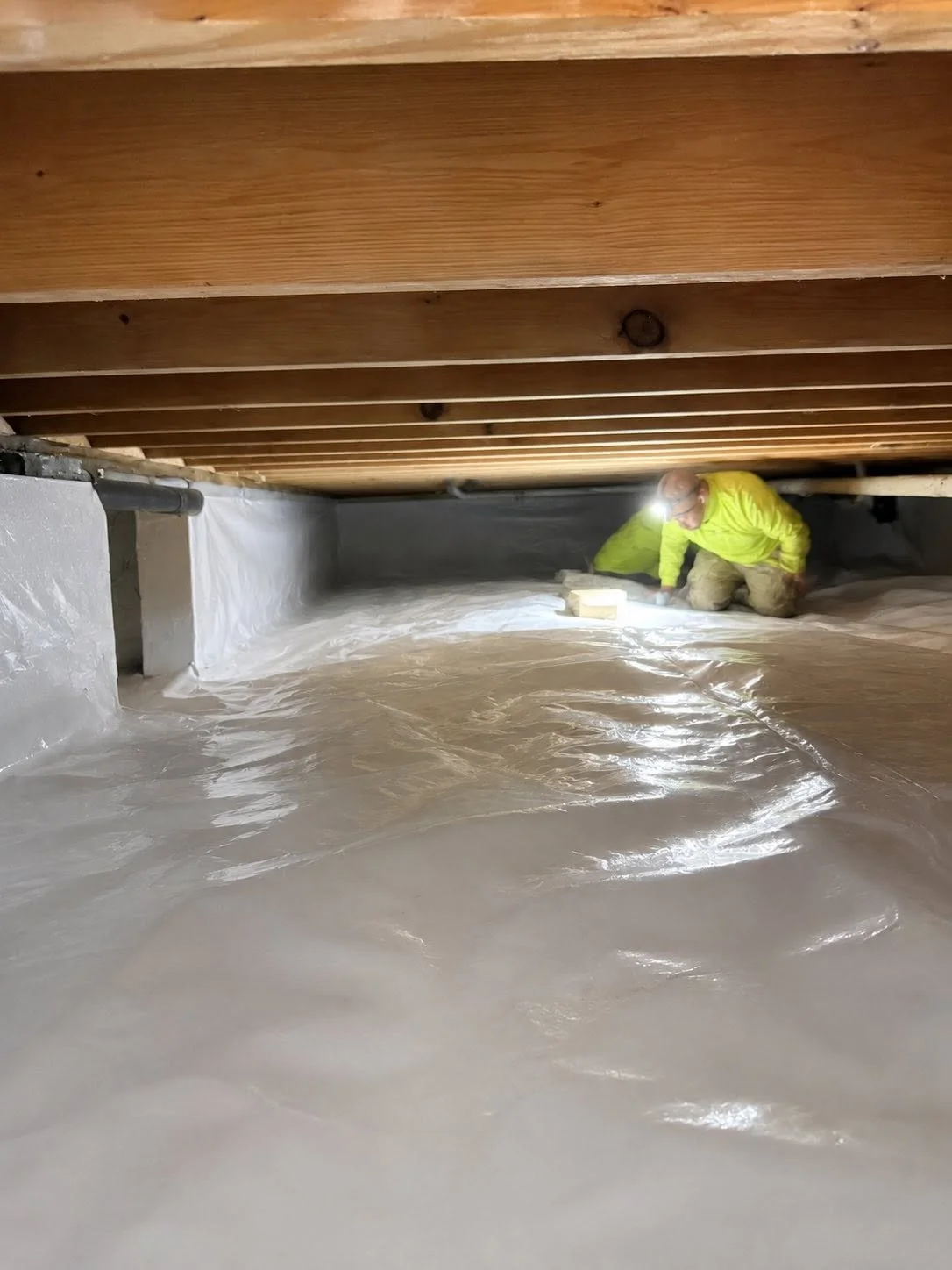
The person explaining the proposal may not be the person installing the system.
Ask who will lead the job, what installation experience they have and whom you will contact with questions. Find out whether employees or subcontractors will perform the work and how changes to the scope are handled.
A clear handoff matters. The installation team should understand the same scope you agreed to.
What If One Quote Is Much Lower?
A lower price deserves the same questions as a higher one.
It might reflect lower operating costs, a smaller scope, different materials or fewer included services. Ask enough questions to understand the difference.
A higher price should also come with an explanation. If it includes additional preparation, equipment or coverage, those details should be visible in the proposal.
Compare the written work first, then decide whether the price makes sense for what you are receiving.
Compare the Total Before Comparing Monthly Payments
Financing can make a project easier to budget for, but a monthly payment does not explain the installation scope or total borrowing cost.
Review the project price, amount financed, payment term and applicable financing terms together. Ask about any down payment and how it affects the financed balance.
That lets you compare both the work and the payment arrangement.
How Drainage Solutions Approaches Your Estimate
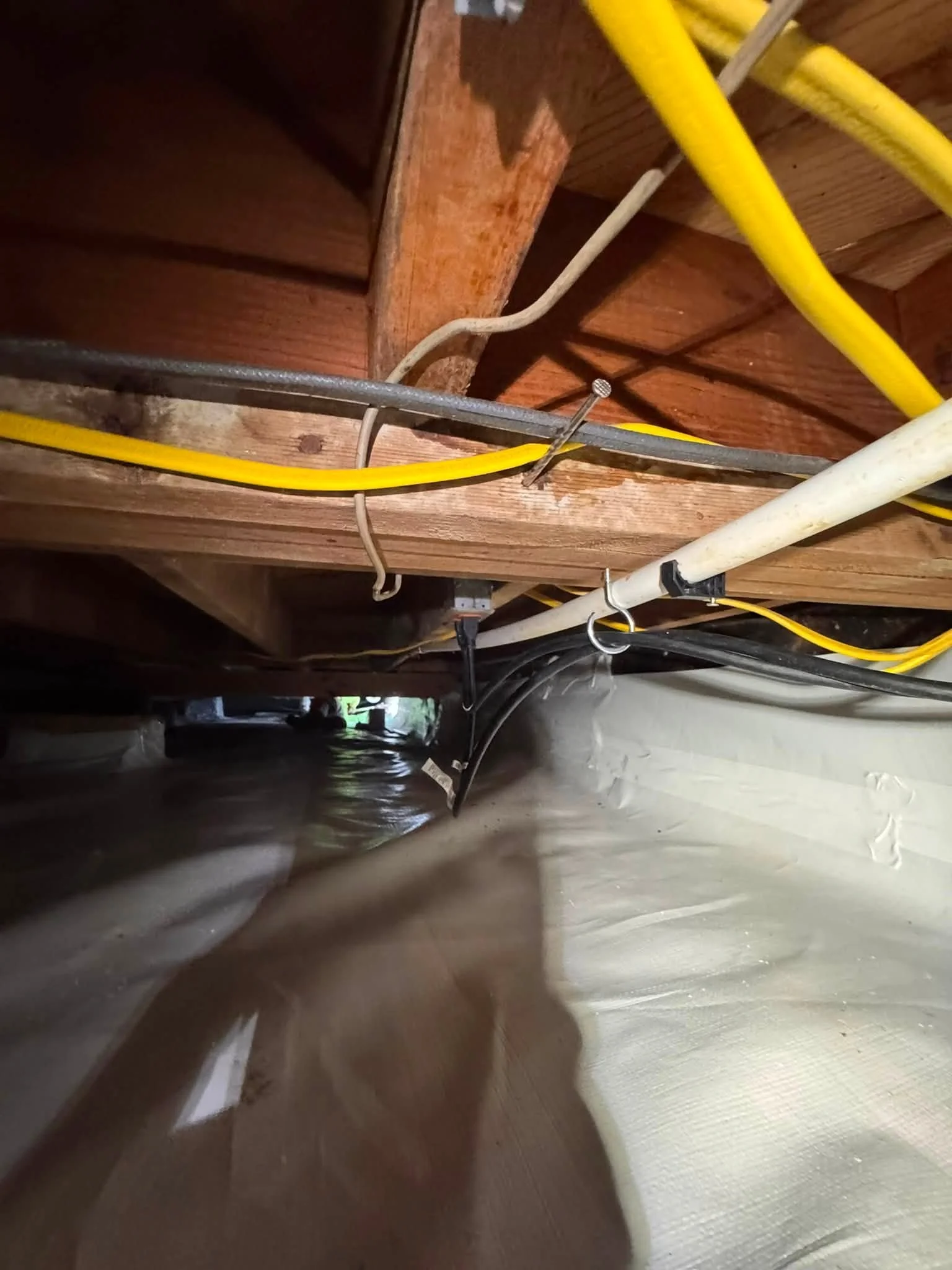
Our team brings years of hands-on crawlspace installation experience to homes throughout Memphis and North Mississippi. Our owner and co-foreman previously held lead installation roles with a major crawlspace and foundation company.
Today, you work directly with the people responsible for the installation. We explain the recommended materials, water-management work and equipment in your proposal. We do not employ commissioned sales representatives.
If you already have an estimate, you can request an independent evaluation from us. We will assess your crawlspace and provide our own recommendation so you can compare the scope and price.
Financing through Wisetack is available for qualifying customers, subject to approval and applicable terms.
Get an Estimate You Can Understand
You should know what will be installed, why it is being recommended and what the price covers before you commit.
Learn more about our crawlspace encapsulation services or request a crawlspace evaluation.
Drainage Solutions
Serving Memphis, Germantown, Collierville, Bartlett, Olive Branch, Southaven, Hernando, Byhalia and surrounding communities.
(901) 864-6855