How to Compare Yard Drainage Estimates in Memphis
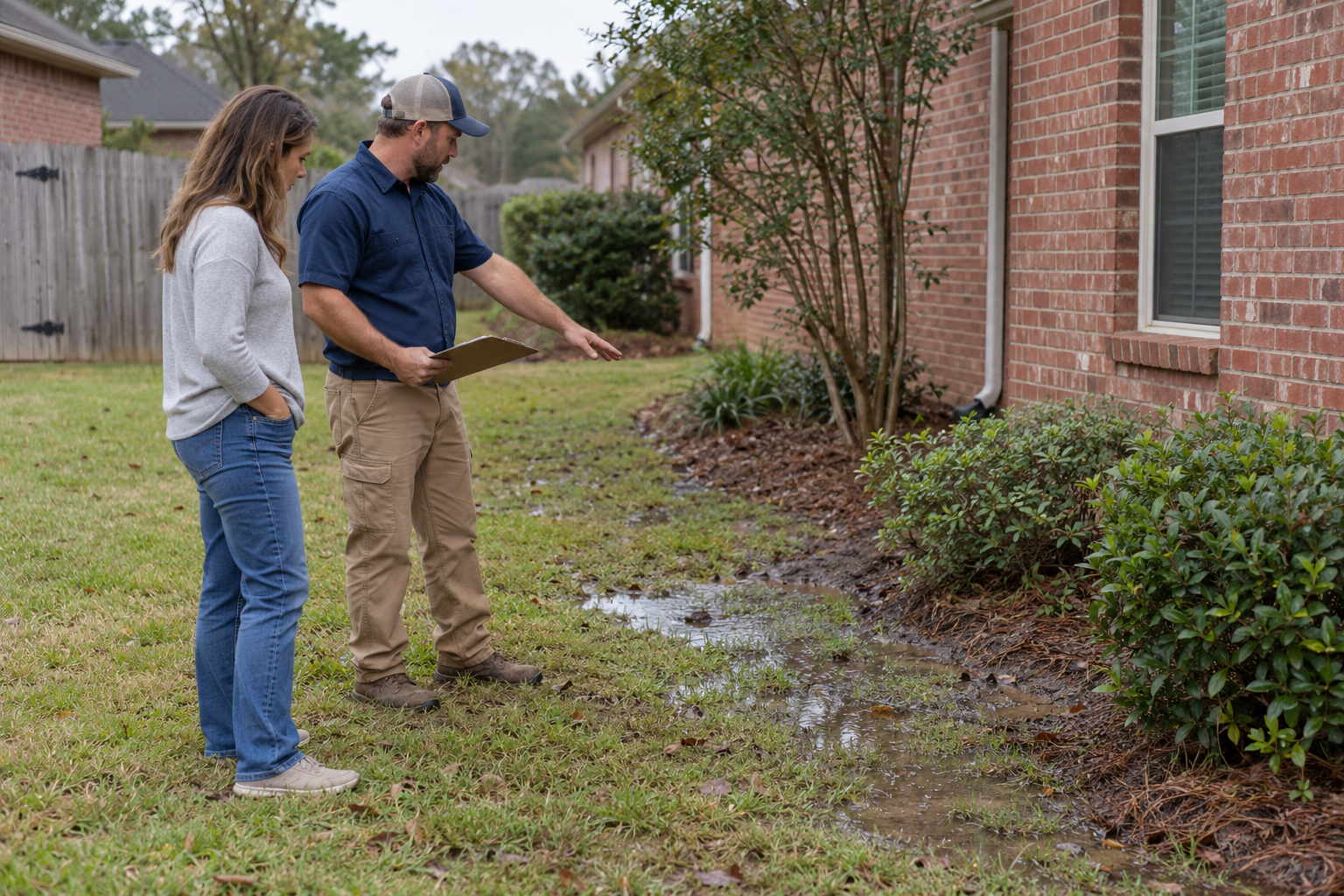
One drainage contractor quotes a French drain. Another recommends catch basins. A third says your yard needs grading.
The prices are different, the descriptions are vague, and every company says its solution will work.
How do you know what you’re actually buying?
A useful yard drainage estimate should explain what is causing the water problem, how the proposed work addresses it, and where the collected water will go. It should also make the installation scope and price clear enough for you to compare your options.
Before choosing a drainage contractor in Memphis or North Mississippi, look for these details.
1. An explanation of where the water comes from
Standing water is a symptom. The estimate should be based on an evaluation of its source.
Your yard may be collecting roof runoff, water flowing across neighboring ground, or moisture moving through the soil. A low spot or slope toward the house can make the problem worse.
Ask:
“What did you find that makes this the right solution for my property?”
The answer should connect the proposed work to something the contractor observed. You should understand why they recommend a French drain, catch basin, downspout line, grading correction, or combination of systems.
2. A clear description of the proposed system
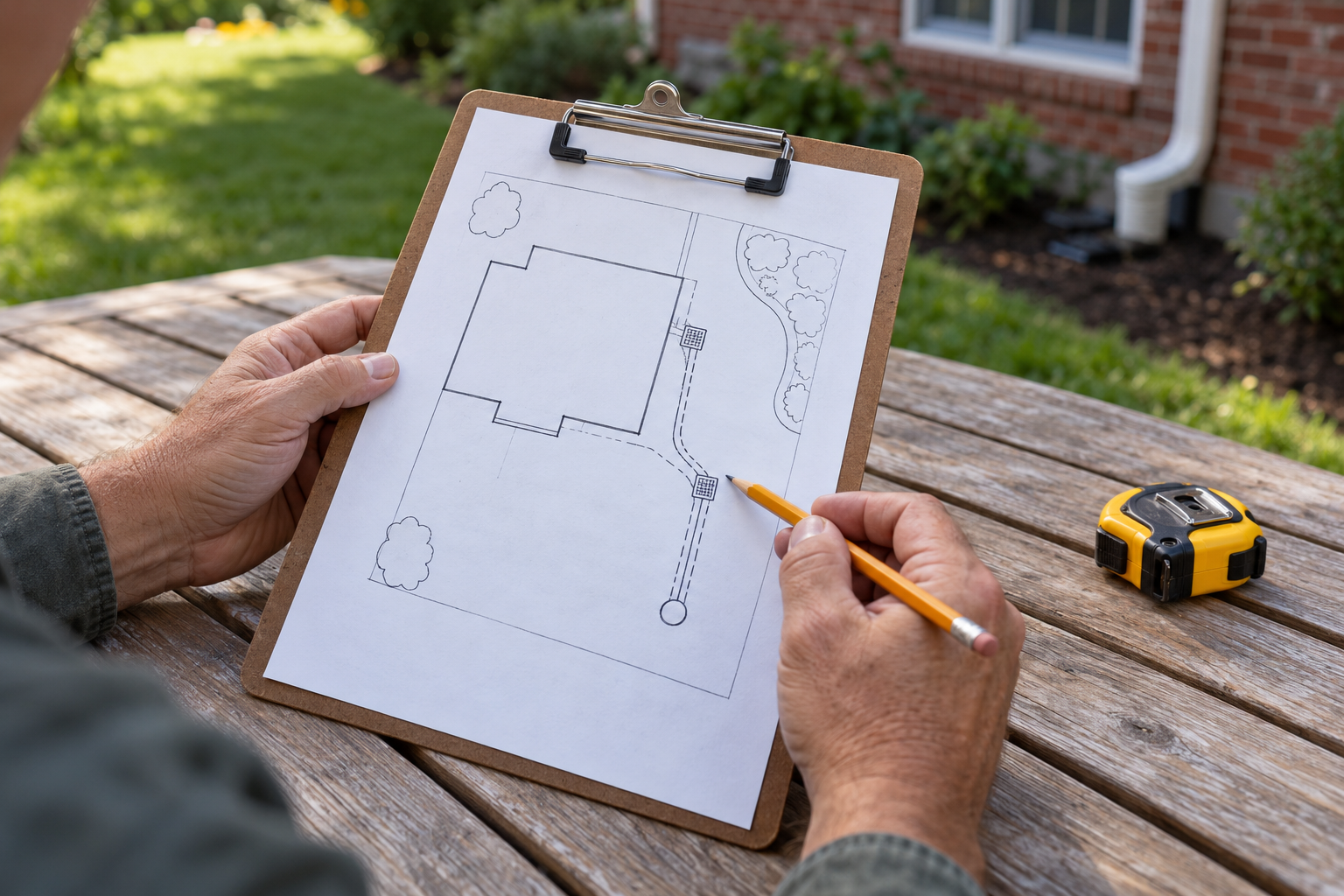
“Install drainage in backyard” leaves too much open to interpretation.
Your written estimate should identify the work being priced. Depending on the project, that may include:
Approximate drain length and installation area
Pipe type and diameter
Number and size of catch basins
Downspouts being connected
Gravel and filter fabric where appropriate
Grading or swale work
Concrete removal and replacement
Discharge location
Not every estimate needs a detailed construction drawing. It does need enough information for you to understand what the contractor intends to install.
3. A workable place for the water to go
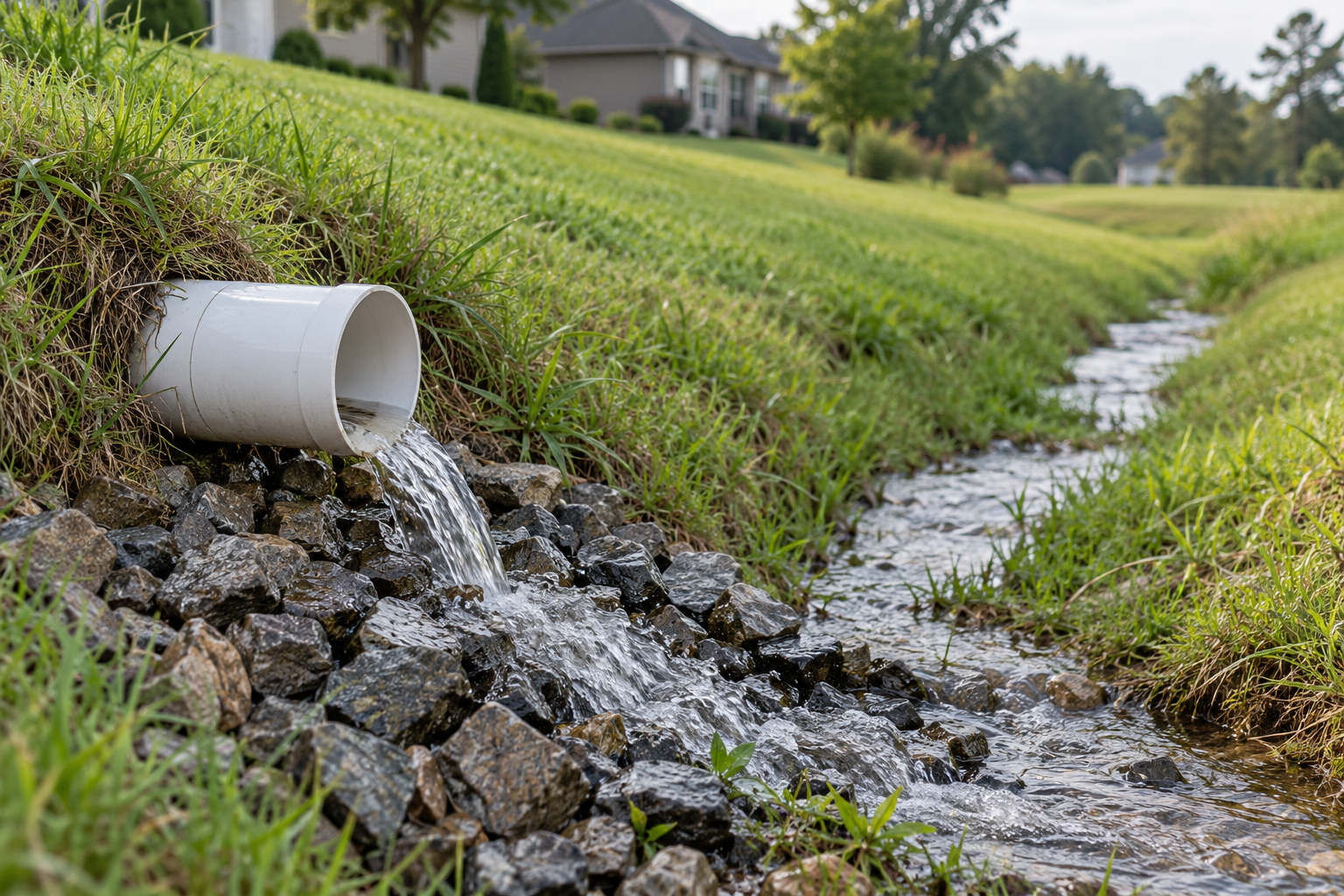
This is one of the most important questions you can ask:
“Where will the water discharge?”
Collecting water is only part of the job. The system also needs a suitable outlet.
Ask the contractor to show you the proposed discharge point and explain how the water will reach it. If gravity drainage is proposed, they should evaluate the elevations needed for it to work. If the outlet involves a curb, public drainage infrastructure, or another regulated location, ask what permission or requirements apply.
The plan should account for your property, nearby homes, and the conditions at the outlet.
4. What installation involves
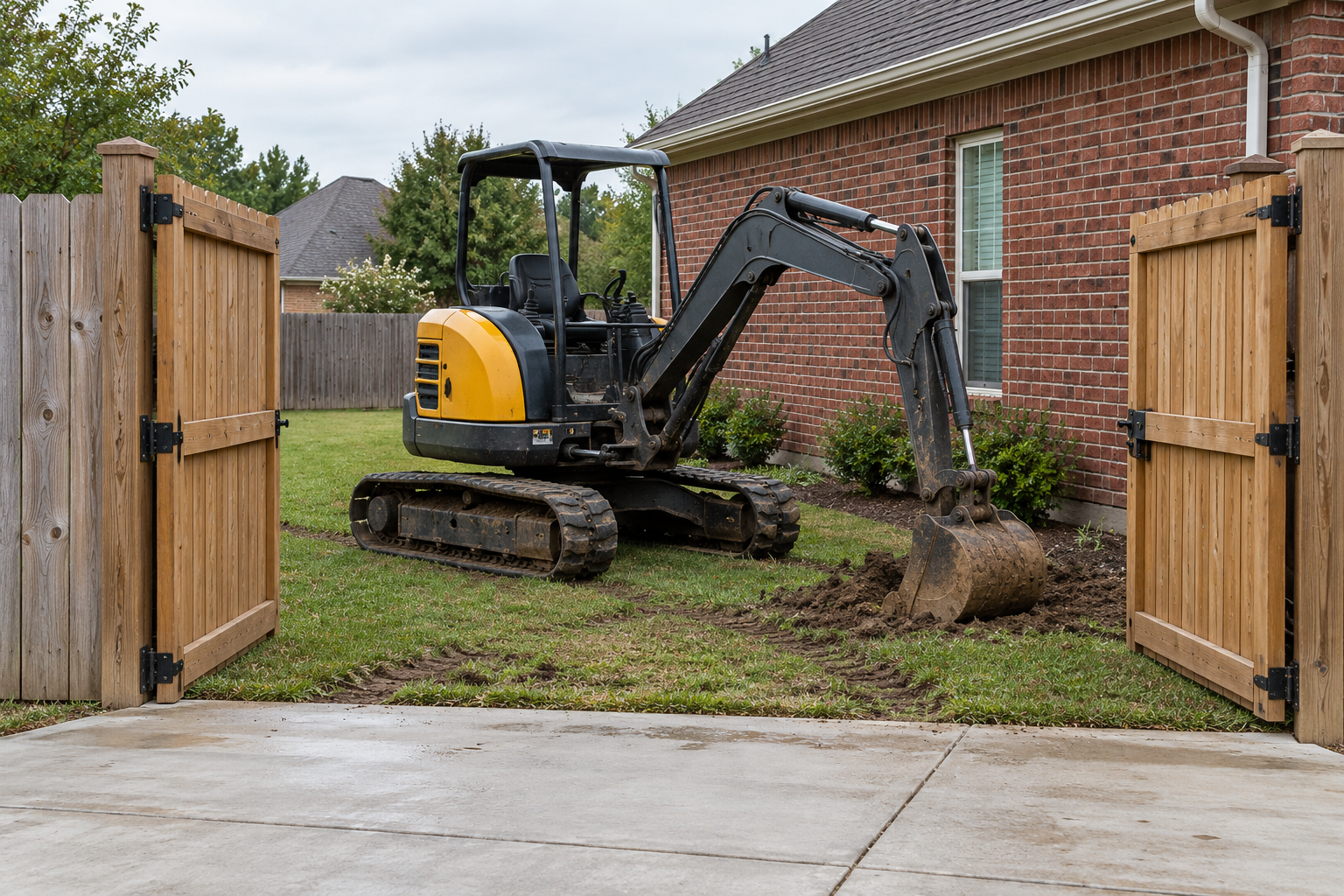
A drainage estimate should help you prepare for the work.
Will equipment need access through a gate? Will a section of fence need to be removed? Does the route cross a driveway, walkway, irrigation line, or landscaped bed?
Ask how access, utility locating, and existing features will be handled. These details can affect both the price and the disruption to your property.
You should also know whether the proposed work includes everything needed to complete the installation or whether another contractor will be required.
5. What happens to your yard afterward
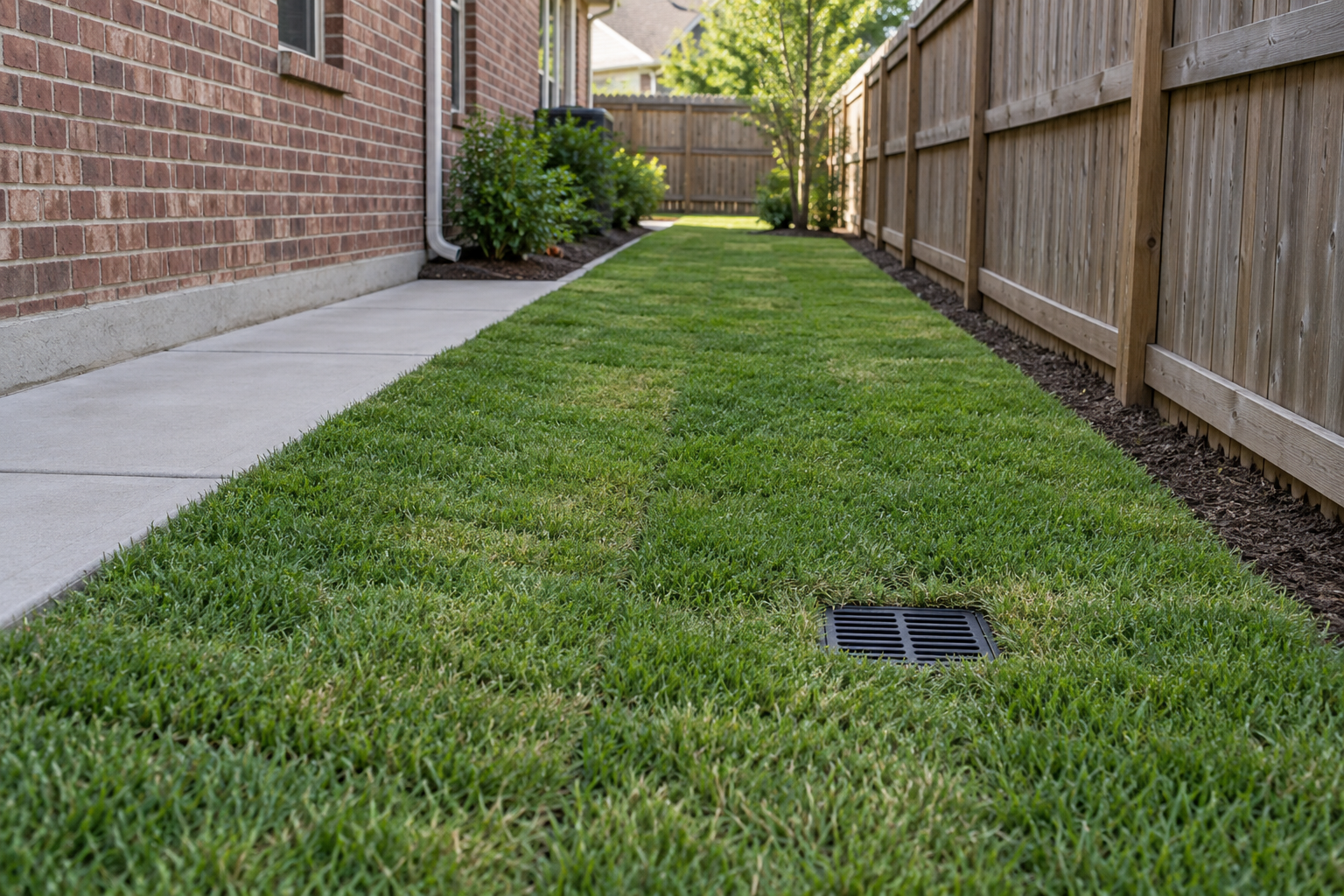
Two estimates can include similar drainage systems and very different restoration work.
One may include sod. Another may include seed and straw. A third may leave restoration to the homeowner.
Look for a written explanation of what happens to excavated soil, disturbed grass, landscaping, and any concrete that must be removed.
“Will my yard be restored?” is a good question. “What restoration is included in this price?” is a better one.
6. The price, payment terms, and possible changes
You should be able to see the total price and understand when payment is due.
If there are optional items, they should be identified. If unexpected conditions could change the scope, ask how those changes will be discussed and approved before additional work begins.
When financing is offered, review its terms separately from the installation scope. A monthly payment alone does not tell you whether two contractors are proposing the same work.
7. Who is responsible for the installation
Ask who will evaluate the property, who will install the system, and who you will contact with questions.
At Drainage Solutions, you work directly with experienced installers who are responsible for the proposed solution. That means you can ask practical questions about the pipe route, discharge, access, and restoration during the evaluation.
Knowing who is accountable helps you understand how the project will move from an estimate to a completed installation.
8. Written warranty and maintenance information
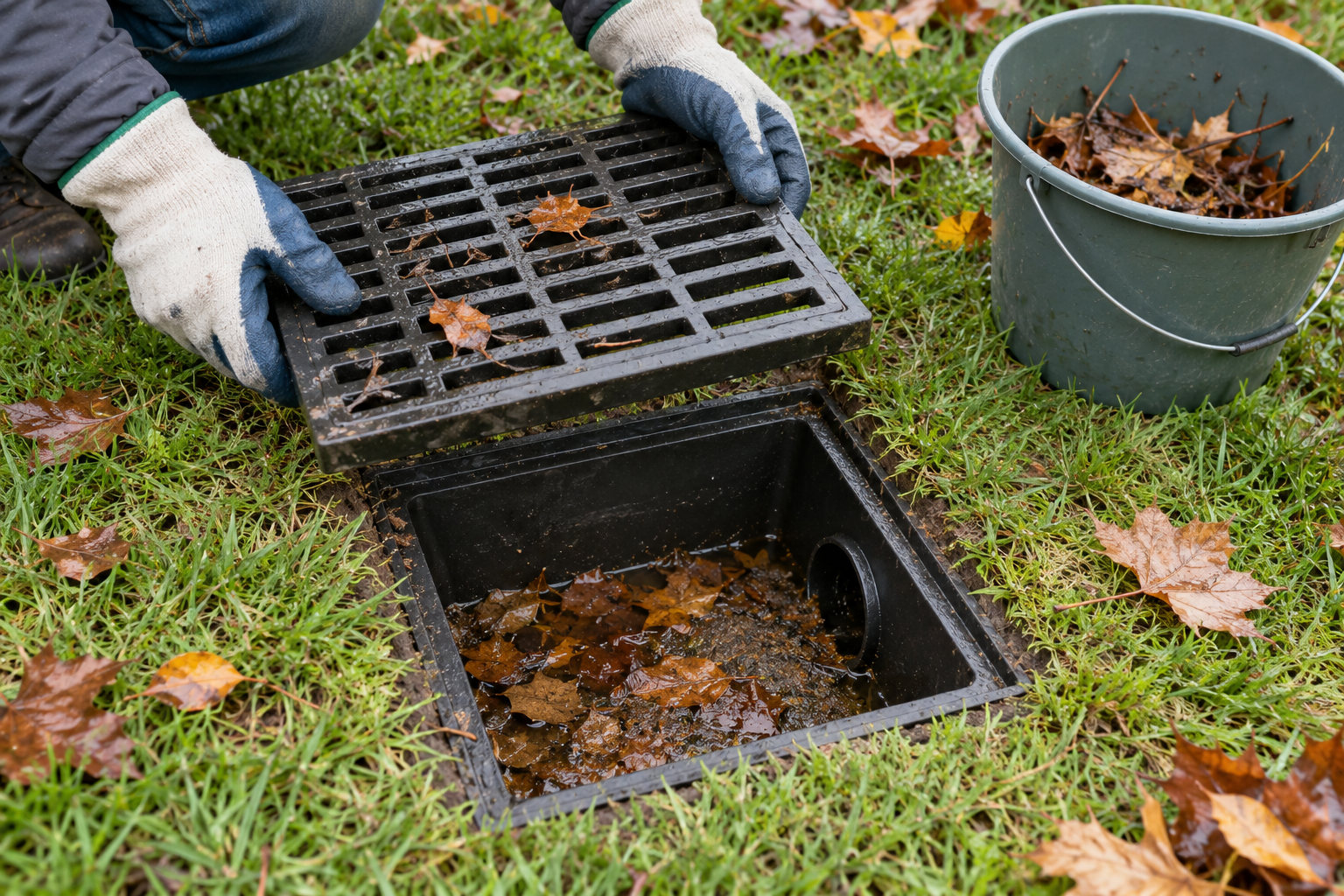
Ask what the warranty covers, how long it lasts, and what maintenance the system requires.
Grates, basins, and outlets may need periodic cleaning. A system’s performance can also be affected by later landscaping changes or blocked discharge points.
Clear written terms help you understand what support is included and how to care for the drainage after installation.
How to compare two drainage estimates
Place the estimates side by side and check whether they address the same problem and include the same work.
Compare the proposed water collection, pipe specifications, outlet, access work, restoration, and warranty terms.
A higher price may include work the other estimate leaves out. A lower price may reflect a smaller solution that is appropriate for the property. The useful question is whether the scope makes sense—and whether you understand what you are paying for.
Get a drainage plan you can understand
Drainage Solutions LLC has specialized in drainage since 2017. We serve Memphis, Collierville, Germantown, Bartlett, Southaven, Olive Branch, Hernando, Byhalia, and surrounding communities.
We evaluate how water moves across your property, explain our recommendation, and provide a written scope and price. You get direct answers from the people responsible for the installation.
If your yard keeps holding water, request a drainage evaluation. We’ll help you understand the cause and the work needed to address it.